
Senior Correspondent
NewsBits.in
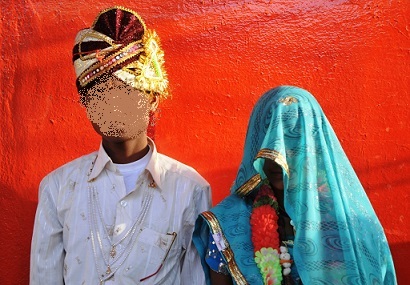
Bhopal: One in every four (26%) of currently married persons in Madhya Pradesh got married off as children (underage for marriage), a detailed analysis of Census 2011 data by NGO Child Rights and You (CRY) suggests.
Women are the worse victims of child marriage. The analysis shows as only 11.5% of the currently married men were married off before legal age of 21 compared to staggering 40% women, who were married off before reaching 18 years of age.
What is even more worrying is that these figures are far higher than the national average of 7% and 30% for men and women respectively.
MP is the second highest amongst northern states in the country in terms of maximum number of child marriages among married adults coming close behind Rajasthan at 30%. MP is followed by Uttar Pradesh at 21%, a release issued by CRY said.
Soha Moitra, Regional Director – CRY says, “The figures for Madhya Pradesh are extremely shocking and reflect a huge gap in the system. This is happening despite legislations and enhanced awareness on the issue. Child marriage is widely practiced under the garb of tradition, culture and security wherein children can no longer enjoy their rights. This ‘socially acceptable’ arrangement not only denies them access to education but also makes young girls vulnerable to abuse and domestic violence”.
The fact that there are several health risks attached to this age old practice is something that is still not acknowledged seriously. Child marriage culminates into premature pregnancy often leading to high maternal and infant deaths. There is also a risk of giving birth to low weight babies which in a long term can lead to malnutrition, the CRY statement mentioned.
Absolute number wise, according to 2011 Census there were almost 5 lakh child marriages in the state. Girls constituted 65% of the figure. Shockingly both Indore (23,715) and Bhopal (18,090) are among five districts in the state with maximum number of child marriages.
“While the government should ensure stricter implementation of the law (including strengthening registration of births and marriages to establish the age of the child) and prosecution of offenders, it is extremely crucial to influence the behavior and attitude of the communities for a lasting change. Having worked at the grassroot level, we at CRY have witnessed how sensitizing families, engaging with communities and local authorities can bring about a positive impact”, Moitra added
Disrupted or Lack of education is one of the major hurdles in the abolition of child marriage. An out of school child is more likely to be married off quickly. While many children have no access to education even amongst those with access the issue of dropout seems to be a major concern
According to DISE 2013-14 the annual average dropout rate for the state at the primary level was 10%. This figure jumped to 26.5% at the secondary level with more girls dropping out as compared to boys across all levels, the CRY release said.
Extending the scope of the RTE Act upto the age of 18 would therefore be of great help to a large percentage of adolescent children especially girls between age of 14-18 years, it added.