
Sravani Sarkar
NewsBits.in
Bhopal: The Supreme Court on Wednesday ordered the Gujarat government to pay compensation of Rs 3 lakh each to families of 238 labourers from MP who died after contracting silicosis in Gujarat factories more than a decade ago.
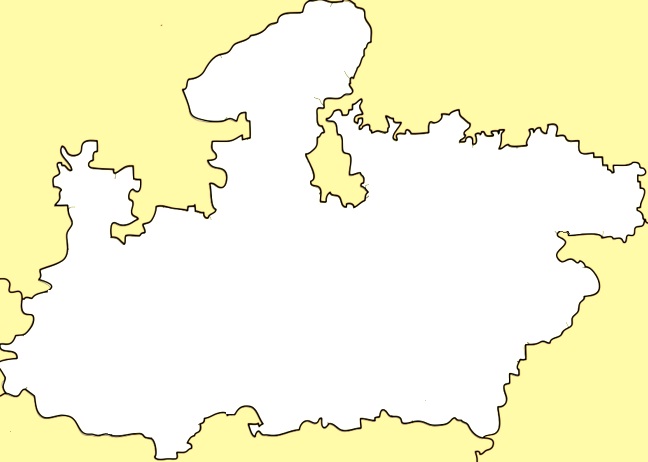
The apex court also ordered the Madhya Pradesh government to rehabilitate another 304 silicosis patients in three districts of the state – Jhabua, Alirajpur and Dhar.
The decision comes as a long-awaited relief for the poor tribal families of three districts where several families reported multiple deaths due to silicosis over last 15 years.
The two state governments failed to take any major action for the relief of silicosis affected people despite recommendation of National Human Rights Commission (NHRC) in 2010 for compensation and rehabilitation.
Meanwhile, the matter had already been taken to SC by Khedut Majdoor Chetana Sangh and the NHRC later became in intervener when the two state governments gave its recommendations a veritable go by.
On Wednesday, a SC bench of Justice Kurian Joseph and Rohinton Fali Nariman came out with the important order. Senior Advocate Prashant Bhushan argued the matter on behalf of the petitioners and Senior Advocate Sanjay Parikh argued on behalf of NHRC and pointed the fact that the workers have received no compensation or rehabilitation from the government.
They pointed out that the labourers from MP migrated to work in debilitating conditions in quartz crushing factories in Balasinor and Godhra districts of Gujarat due to lack of local work.
TOLL RISING
According to NGOs Silicosis Peedit Sangh and Nai Shuruwat that have done extensive surveys in the silicosis affected villages, people continue to die due to complications of the disease and the toll has crossed 500 mark.
“Today’s order of the SC will help all silicosis affected families in the country to demand due compensation for their plight. Every State government should put in place policies focusing on compensating and rehabilitation of silicosis victims in their respective states,” activist Amulya Nidhi has said.