
Special Correspondent
Newsbits.in
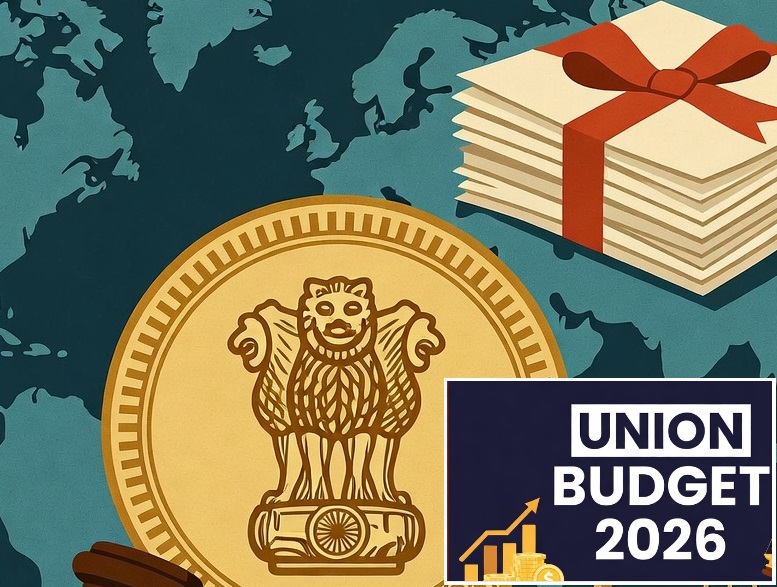
NEW DELHI: This Union Budget 2026 largely overlooks core public health needs.
While pharmaceuticals and AYUSH get attention, primary healthcare and public health infrastructure remain underfunded, public campaign Jan Swasthya Abhiyan India [JSA India] has said.
Reacting analytically to the union budget of 2026 presented on February 1, the JSA said that Support for domestic medical devices is minimal and real-term health allocations barely increase.
Strengthening paramedical staff is positive, but the Budget misses a vital opportunity to build a robust primary healthcare system.
The Union Budget this year projects an increase in health allocations [up to Rs 104559 crores from Rs 99859 crores in previous fiscal year], creating an impression of renewed commitment to public health.
However, a closer examination of budget trends over the last five years reveals a steady decline in real health expenditure, especially when adjusted for inflation and rising healthcare needs.
The allocation and supplementary grants in the Health sector has also repeatedly shown substantially high lapsing, ranging between 11 to 14 percent in recent years, as pointed out in CAG Audit Reports on Union Government Finance Accounts, a JSA note said.
Allocation for health remains stagnant
Despite repeated policy assurances, budgetary allocation on health as a share of GDP remains stagnant, the note said.
For the last three years, budgetary allocation on health has ranged between 0.31% (2023-24) to 0.29% (20224-25 and 2025-26); far below the long-standing national and international commitment of allocating at least 5% of GDP to health.
This persistent underinvestment has weakened public health infrastructure, human resources, and essential services across the country. Jan swasthya Abhiyan India (JSAI) has said that this union budget grossly neglects the primary health care services and Public health care system, which is the primary need for the citizens especially for the middle class and marginalized population.
This budget promotes the medical tourism and exports of Ayurveda products and allocation of ₹10,000 crore to boost the pharma sector, with a special focus on exports. This really questioned that this budget is for whom.
New NIMHANS, Ayurveda centers & tax exemption on cancer/rare disease drugs are welcome—but without regulation; patients may still have to pay the price. Budget provides for upgrading the WHO Centre for Traditional Medicines in Jamnagar. Apparent increase in health budget masks a decline in real expenditure over last five years. Public health spending remains well below the 5% of GDP commitment.
Jan Swasthya Abhiyan India has demanded:
*Substantial increase in public health expenditure to at least 5% of GDP
*Ring-fencing of Health Cess exclusively for public health
*Full transparency in reporting and utilization of health-related revenue
*Strengthening of states’ fiscal capacity to deliver public health services
*Collections cannot substitute for real, sustained investment in public healthcare.